
4 Lessons from Cannes and SXSW: Where is Brand Experience Heading?
How Global Stages Like Cannes and SXSW Are Shaping the Future of Brand Experience
Every year, the world of creativity and innovation turns its attention to colossal events like Cannes Lions and SXSW (South by Southwest). These platforms aren't just venues for awards or new technology announcements; they are vibrant laboratories where brand experience trends are born and tested. As a professional who has closely observed this transformation for over two decades, the clearest message emerging from this year's events is this: Brands must evolve from being one-sided storytellers into platforms that co-create meaning with their audience.
In the past, brands designed their experiences like storefront displays. Products were showcased, messages delivered, and attendees were expected to admire the display. However, in this new era where the digital and physical worlds intertwine, the balance of power has completely shifted. Participants are no longer passive spectators; they want to be part of the experience, even co-creators. Here are four fundamental lessons distilled from these global stages that will shape the future of brand experience:
1. Bridging Technology to Experience: A Means, Not an End
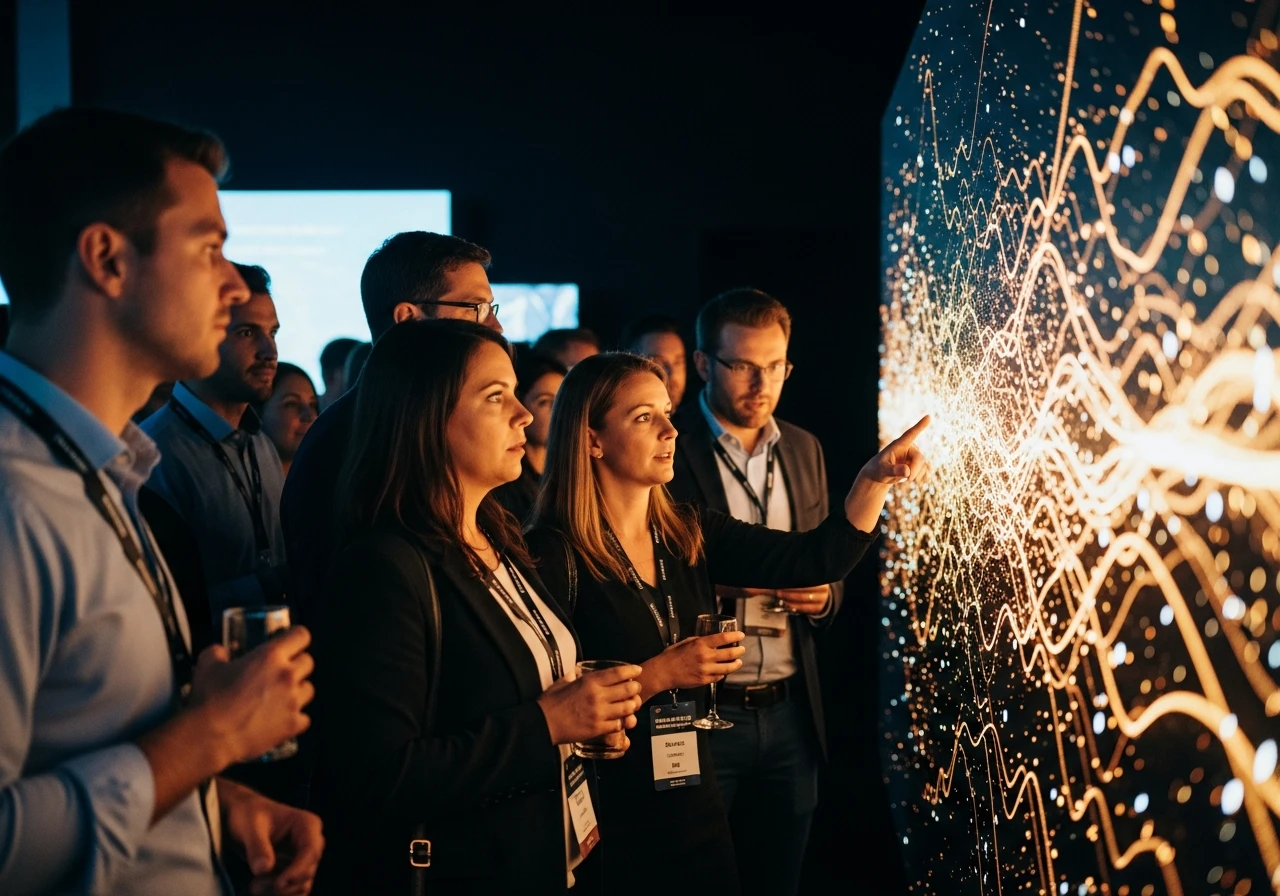
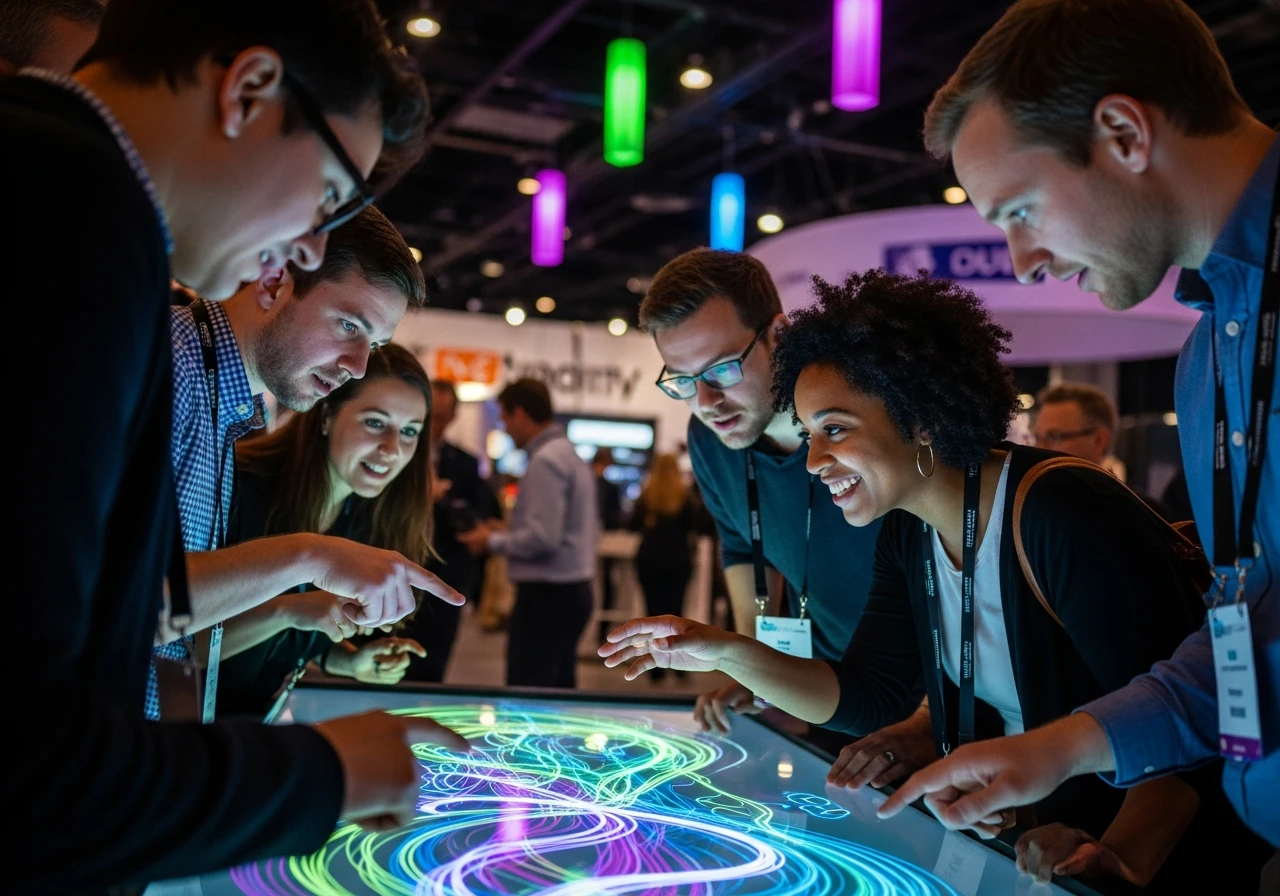
Artificial intelligence, augmented reality (AR), and virtual reality (VR) are no longer just cool novelties. The most successful activations at SXSW were those that used technology not as an end in itself, but as a tool to deepen human connection. It's not about having the latest tech; it's about what emotion, what story, what connection you create using that technology.
For instance, an interactive art installation that changes according to participants' moods is far more than just a tech demo. It's an empathetic gesture that shows the brand understands and values its audience's emotions. Successful brands position technology not as a barrier, but as a bridge to foster deeper dialogue with people.
2. Creating Cultural Meaning: Beyond Pop Culture
Brands engaging with popular culture trends is nothing new. What is new, however, is the audacity to initiate a cultural dialogue or make a meaningful contribution to an existing one, rather than merely following trends. A common thread among award-winning works at Cannes Lions was their effort not just to sell products, but to take a stance on a social issue or give a voice to a subculture.
As Nike has done for years, it's not just about selling a pair of sneakers; it's about presenting a philosophy built on the unifying power of sport and determination. Spotify Wrapped annually transforms personal data into a global cultural moment. Brands are no longer just offering consumer goods; they are becoming tools for identity and belonging. This requires brands to clearly articulate their own values and resonate with audiences who share those values.
3. From Data to Empathy: The New Face of Personalization
Personalization is now far more than just starting an email with a name. True personalization is about building empathy through data. Brands are using data to understand not just what their audiences buy, but how they feel, what they need, and what motivates them.
Successful experiences analyze individual behaviors to create collective and shareable moments. For example, analyzing participant movement data at an event to create spontaneous surprises or rest breaks in the most popular areas shows that the brand isn't just observing, but also listening and understanding. This is a shift from "This is for you" to "We understand you," and the difference is between loyalty and indifference.
4. From Ephemeral Spaces to Lasting Impact: Designing Beyond the Moment
A physical event or a pop-up experience is no longer confined to four walls. Every brand activation should also be considered a content production studio. A temporary café set up by a brand at SXSW doesn't just serve the few hundred people present. It also acts as a storytelling platform that reaches millions through the digital reflections of that experience.
Coca-Cola's global experiential marketing strategy is a prime example of this. Every experience created is designed to be shared on social media, discussed, and to live its own life digitally. The measure of success is no longer just how many people attended the event, but for how long and how widely it continued to be talked about afterward. The experience may be temporary, but its impact and content should be lasting.
Conclusion: From Spectator to Participant, Monologue to Dialogue
The biggest lesson from Cannes Lions and SXSW is that brand experience has evolved from a one-way broadcast into a multi-faceted dialogue. Successful brands of the future will not just sell things to their audiences, but will co-create with them, listen to them, and offer them meaningful experiences. Brands that aren't afraid to cede a little control to their audience, giving them the opportunity to be part of the story, will not only capture attention but also build lasting connections, becoming indispensable.
If you'd like to implement these trends for your brand and design an unforgettable experience, get in touch with us.
Get a Quote for Your Project
Contact us for experiences that will make your events unforgettable.