
Beyond the Event: How Brands Build Lasting Communities
From One-Off Interactions to Lasting Connections: The New Horizon of Experiential Marketing
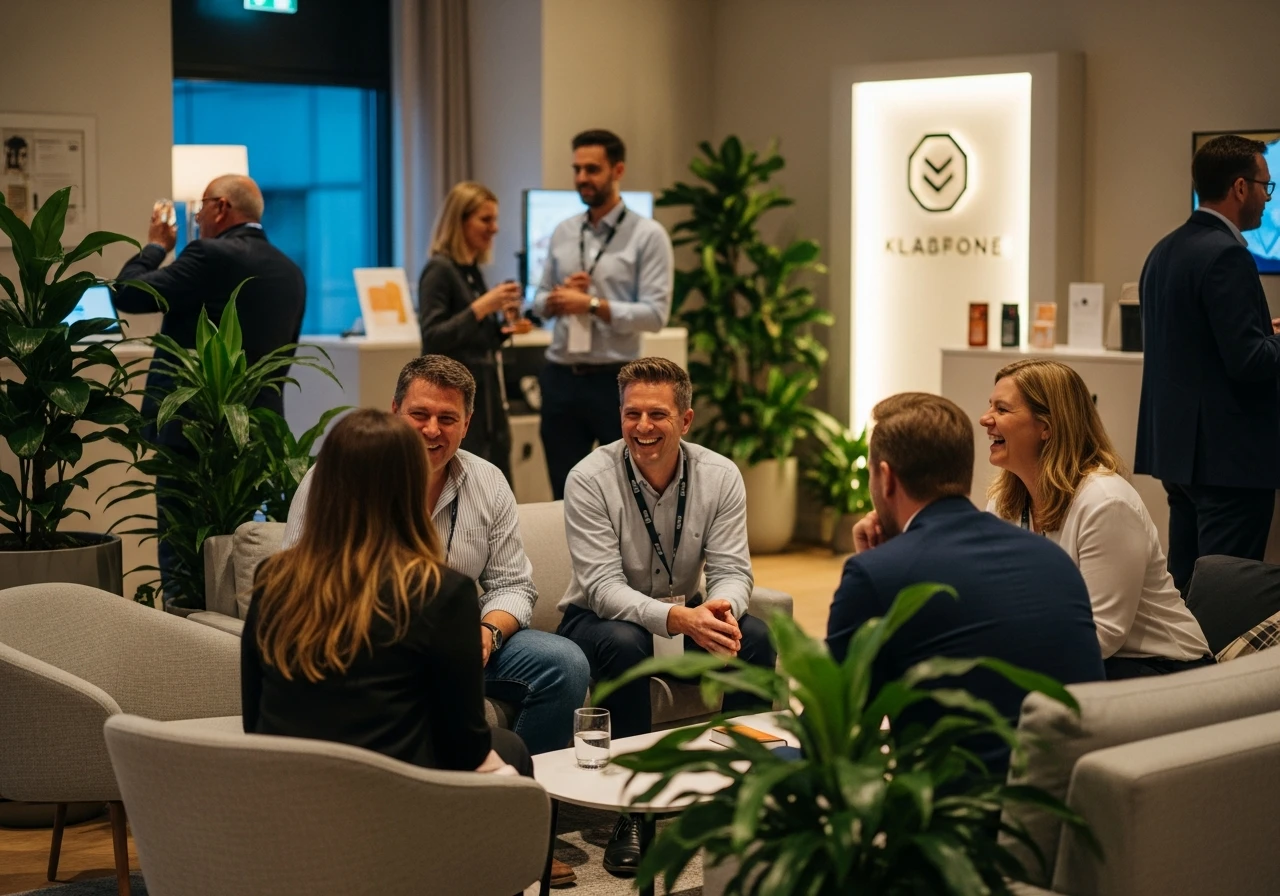
In an age where digital noise is louder than ever, the most valuable asset for brands isn't capturing attention, but building loyalty. The idea of “creating unforgettable moments,” which formed the foundation of experiential marketing for years, is no longer sufficient on its own. Consumers don't just want to attend an event; they want to be part of something bigger. This is where the industry's new paradigm comes into play: community building through events. Brands are now aiming to transform their audiences into loyal communities that unite around shared values, engage with each other, and grow alongside the brand.
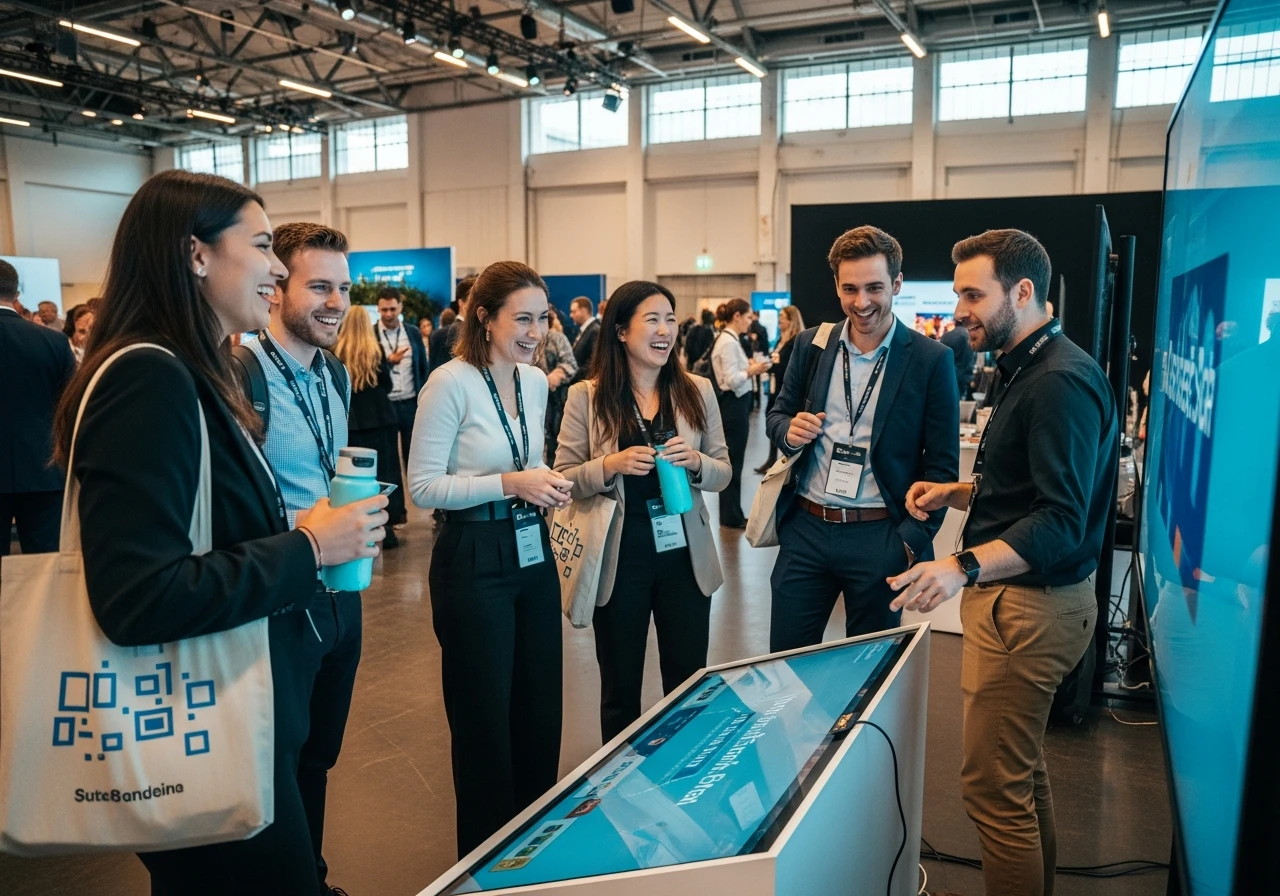
In the past, events were projects with clear beginnings and ends, serving a specific purpose like a product launch or a campaign announcement. Success was measured by attendee numbers or immediate social media buzz. However, this approach overlooked a significant portion of the potential. Looking at the success of global festivals like SXSW (South by Southwest), it's evident that people flock to Texas not just to listen to speakers, but to be part of an innovative “tribe” of like-minded individuals. This very sense of “tribe” forms the cornerstone of community building.
Pillars of a Community-Centric Event Strategy
Transforming an event into the genesis of a community requires a conscious and strategic approach. Several critical pillars underpin this transformation:
1. A Shared Purpose and Value System
What brings people together is far more than a product or service; it's a shared purpose. Events organized by outdoor apparel brand Patagonia don't just introduce a new jacket. These events center around environmental activism, nature conservation awareness, and sustainability. Participants gather not merely as customers of a brand, but as supporters of a common cause. What values does your brand represent? How can your events transform these values into a tangible experience? These questions form the starting point of your strategy.
2. From Passive Participant to Active Contributor
Communities thrive not on one-way communication, but on multi-directional interaction. Modern event strategies elevate participants from passive spectators to integral parts, even creators, of the experience. Salesforce's annual Dreamforce conference is one of the most successful examples of this. A significant portion of its thousands of sessions are led by Salesforce customers and partners. These “contributors,” sharing their success stories and best practices, foster ownership and organic growth within the community. Giving participants a voice and allowing their ideas to shape the agenda are among the most effective ways to strengthen the sense of belonging.
3. Continuity Beyond the Event Moment
The biggest mistake is to end communication the day the event concludes. A community should blossom long before the event and continue to thrive long after. Nike's running clubs (Nike Run Club) perfectly exemplify this principle of continuity. Major marathon events are key moments for this community, but the real bond is forged through year-round weekly runs, challenges within the digital app, and local community leaders. Offering exclusive content before the event, creating digital platforms (Discord, Slack, a dedicated mobile app, etc.) to bring participants together, and keeping the dialogue alive with post-event content all strengthen community ties.
4. Privileges That Reward Belonging
Being part of a community should make individuals feel special and valued. Spotify's annual “Wrapped” experience transforms personal data into a communal celebration. Everyone shares their music summary on social media, feeling part of a larger community of music lovers. Similarly, brands can reinforce this bond by offering community members exclusive early access, private small gatherings, special discounts, or insider information. This isn't just a loyalty program; it's a status of being an “insider.”
Conclusion: From Crowds to Tribes
The future of experiential marketing will be shaped not by who gathers the biggest crowd, but by who builds the most devoted tribe. While one-off, spectacular events can still be impactful, true and sustainable success comes from making these moments part of a larger community strategy. When brands stop viewing their events as mere sales points and instead position them as campfires uniting people around a common purpose, they gain not just customers, but the brand's most passionate advocates. This is a long-term, invaluable investment, far beyond short-term metrics.
If you'd like to implement these trends for your brand and design an unforgettable experience, contact us.
Get a Quote for Your Project
Contact us for experiences that will make your events unforgettable.