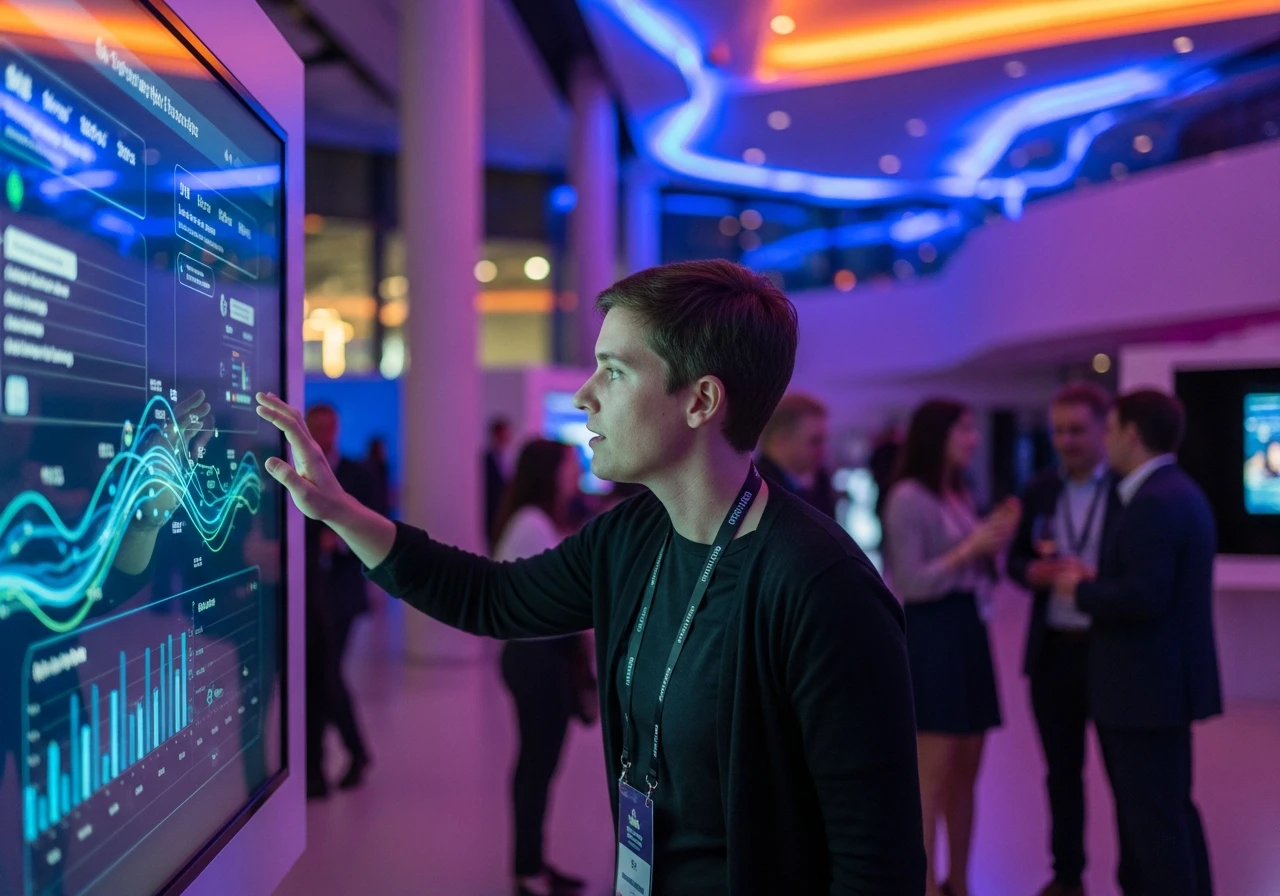
When Event Analytics Goes Beyond Reports: How It's Shaping the Future of Experience
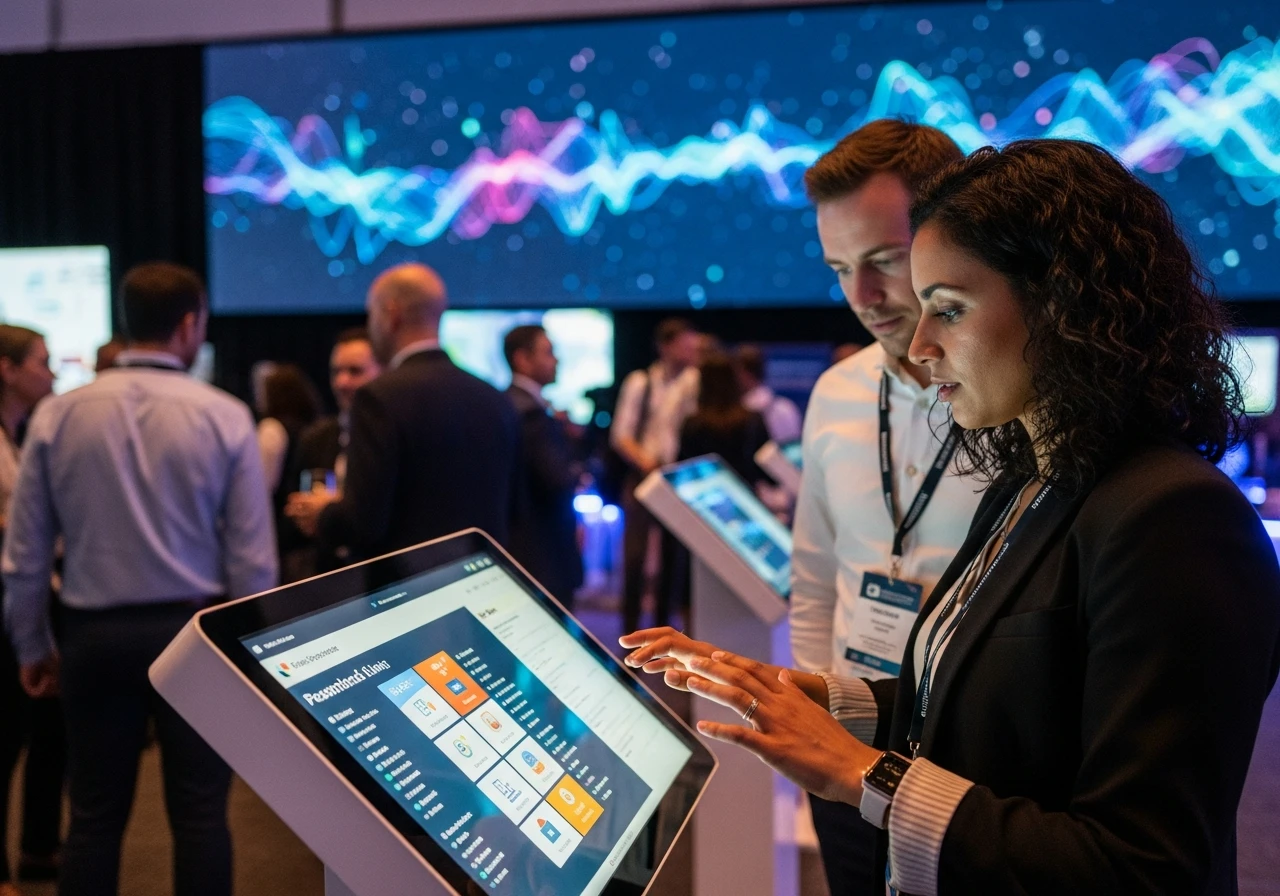
From Attendee Numbers to Experience Quality: A New Era in Data Analytics
For many years, success in brand experience and the event industry was measured by tangible, quantifiable metrics: how many people attended, how many potential customers were met, how many likes were received on social media? While this data is valuable, it now represents only a small piece of the puzzle. The industry stands on the brink of a revolution in data-driven experience design. This revolution is based on an approach that, rather than merely reporting on the past (reactive), actively shapes the experience in real-time and anticipates the future (proactive and predictive). The question is no longer "How many people came to the event?" but rather, "How did we create the most valuable experience for each attendee, and how can we prove it?"
Traditional event analytics is akin to driving a car by looking only in the rearview mirror; it shows you where you've been but offers little insight into where you're going. The modern approach, however, resembles a navigation system that combines GPS, real-time traffic data, and weather forecasts. It not only helps you determine your destination but also allows you to plot the best route, avoid obstacles, and personalize your journey along the way.
1. Predictive Personalization: The Spotify Wrapped Effect
Personalization goes far beyond simply printing an attendee's name on their badge. Consider Spotify's annual "Wrapped" experience. The platform analyzes your music data throughout the year to present you with a unique, shareable, and emotionally resonant summary. This is one of the best examples of how past data can be transformed into a powerful experience.
Events can adopt this model. By utilizing an attendee's preferences from past events, speakers they've viewed on the website, or interests indicated in their registration form, a personalized agenda recommendation can be offered. AI-powered algorithms can maximize an attendee's value from the event with proactive suggestions like, "If you enjoyed talk X, you shouldn't miss workshop Y." This approach prevents attendees from getting lost in a vast ocean of content and provides them with a tailored roadmap.
2. Real-Time Experience Optimization
Even the best-laid plans can change during an event. Perhaps a session becomes far more popular than anticipated, leaving no room in the hall. Or long queues form at the coffee stand in the networking area. In the past, such issues would only surface in post-event surveys. Now, with real-time data streams, it's possible to address these problems as they arise.
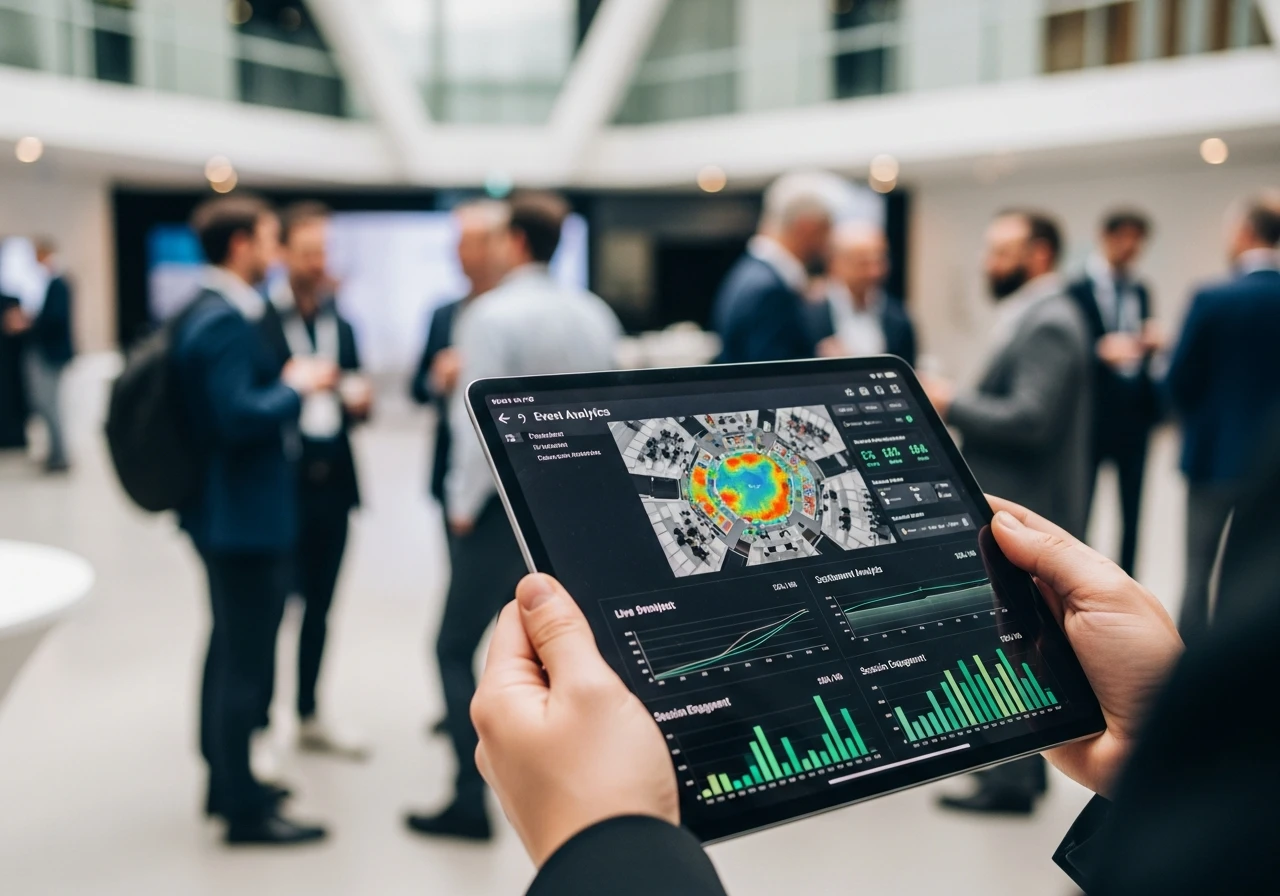
- Audience Flow Analysis: Using NFC, RFID, or Wi-Fi signals, human density within a venue can be mapped in real-time. At a massive, multi-venue festival like SXSW, this technology allows organizers to direct crowds to less dense areas, increase staff at popular spots, and prevent potential security risks.
- Instant Feedback: Real-time notifications sent via the event app can ask questions like, "How did you find this session?" A low-rated speaker or a technical issue can be immediately identified and addressed.
- Dynamic Content: Analyzing audience questions in real-time during a panel discussion and displaying the most frequently asked topics on the moderator's screen allows content to be dynamically shaped according to attendee needs.
3. Building Emotional Connections with Behavioral Data
The ultimate goal of data-driven experience design is not merely to increase efficiency but also to forge deeper emotional connections. Behavioral data, such as how long an attendee spent at a particular booth, which product demos they watched, and which networking events they participated in, provides invaluable clues about their interests and motivations.
Nike uses data from its running app to invite users to exclusive events or marathon training groups. This demonstrates that the brand is not just a product seller but a partner who understands its users' goals. Similarly, sending in-depth content specifically related to AI sessions to someone who attended them at a tech conference, rather than a generic thank-you email, is far more effective. This is a powerful gesture that shows the brand listens and and understands.
Conclusion: Data is the New Creative Material
In conclusion, event analytics is no longer a tedious reporting process but is transforming into a creative force at the heart of experience design. Data is no longer just numbers measuring the past; it serves as building blocks that shape, personalize, and optimize future experiences. Even at creativity festivals like Cannes Lions, we see that the most innovative campaigns are underpinned by in-depth data analysis. The real challenge for brand managers and event professionals is not to collect more data, but to intelligently use the data collected to create more meaningful, seamless, and unforgettable moments for each attendee. The winners of the future will be those who view data not as a cost item, but as their most valuable creative material.
If you'd like to implement these trends for your brand and design an unforgettable experience, feel free to contact us.
Get a Quote for Your Project
Contact us for experiences that will make your events unforgettable.